
Maintenance
Fire door remedial works explained
An inspection report is only useful if it leads to work being done. This guide covers the remedial works that follow a typical inspection and how to prioritise them sensibly.
· Paragon Group NW
Repair or replace?
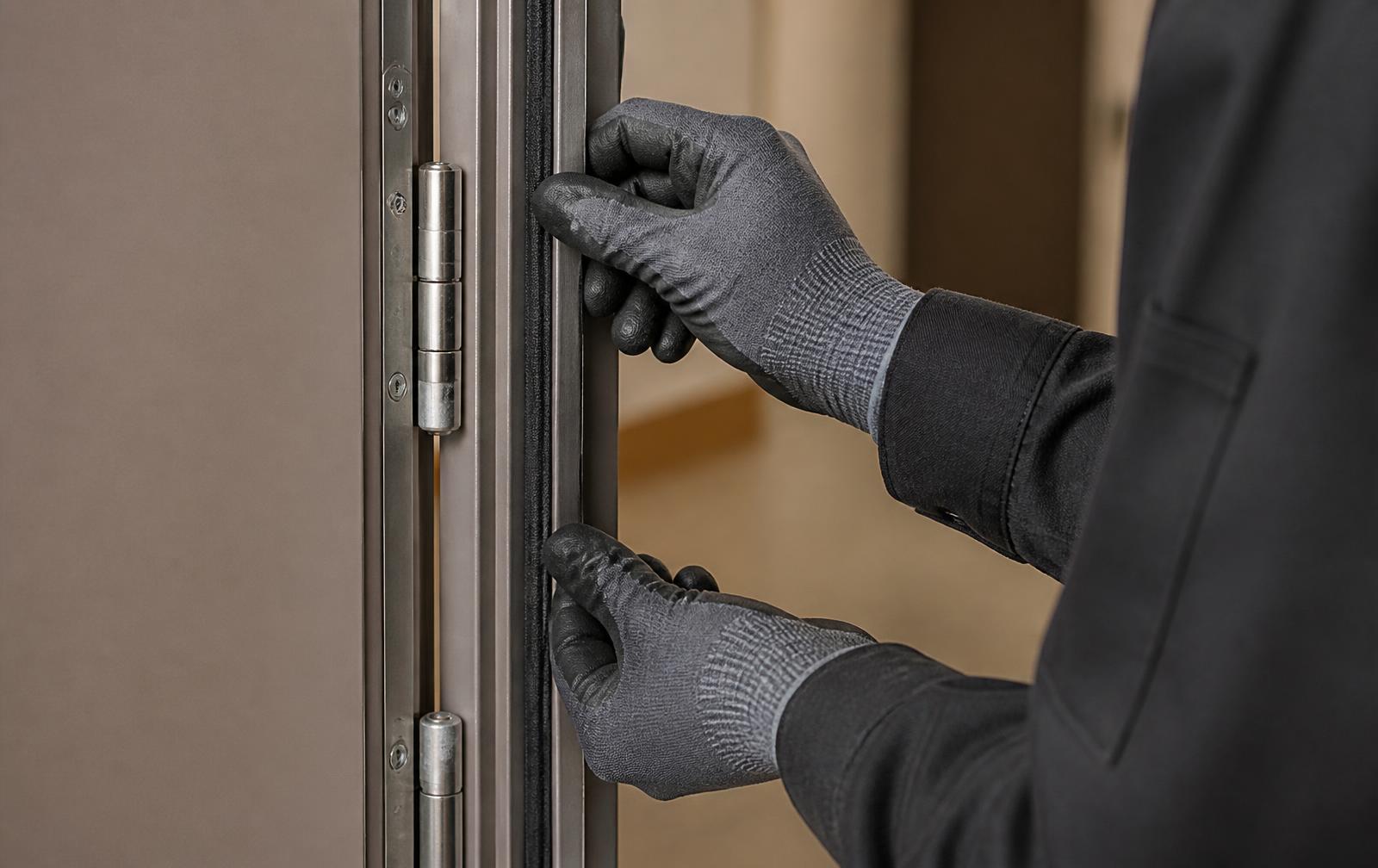
Most defects we find are repairable. Seals, closers, hinges, signage and ironmongery are routinely replaced in place. Replacement of the full doorset is usually driven by structural damage to the leaf, missing certification evidence, or alterations that cannot be reversed.
The most common remedials
- Replacing damaged or painted-over intumescent and smoke seals
- Adjusting or replacing self-closing devices
- Replacing missing or non-fire-rated screws and hinges
- Easing and adjusting doors to correct excessive gaps
- Filling unauthorised holes with approved fire-rated materials
- Fitting correct signage
Prioritising the work
Immediate
Anything that stops the door performing right now — a door that will not close and latch, a missing seal on an escape route, a hole through the leaf.
Planned
Defects that reduce performance but leave the door broadly functional, grouped into a scheduled programme to keep costs and disruption down.
Monitor
Wear that is worth recording and revisiting at the next inspection rather than acting on today.
Evidence the work
Every completed remedial should carry a date, a description and a photograph against the door reference. Without that, the original defect stays on record with no visible resolution.